1. Equipment introduction
1.1 Overview
This training device is designed to simulate and demonstrate the process of wind power generation and solar power generation, so that students can intuitively understand the working principle of wind and solar hybrid power generation systems. The device mainly includes wind turbines, solar panels, aluminum column frame structures, built-in measuring instruments, universal wheels and safety protection systems. Through relevant experimental operations, students can have an in-depth understanding and master the relevant knowledge and skills of wind and solar hybrid power generation systems.
1.2 Features
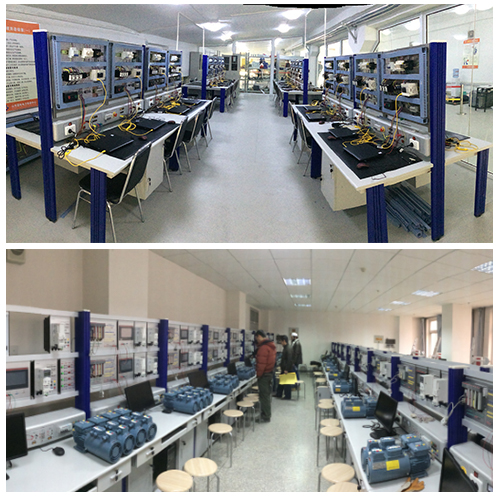
(1) Reasonable structural design: The training platform adopts an aluminum column frame structure, which integrates measuring instruments and training power supplies. It has universal wheels at the bottom, which is convenient for movement and combination use, and is not easily damaged.
(2) Complete equipment configuration: The experimental circuits and devices are fully configured and can be used for a variety of experimental projects, which helps to cultivate students' practical operation abilities and theoretical knowledge.
(3) High safety: The training platform has a good safety protection system to ensure the safety of the experimental process.
(4) Simulate the real environment: By simulating wind and light sources, the experimental process is closer to the real wind and solar power generation environment.
(5) Strong practicality: The design of the device focuses on practicality and provides students with an ideal practical learning platform.
2. Technical parameters
Input power
Single-phase three-wire 220V±5%, 50Hz
weight
Wind power generation device: about 55KG
Solar power generation device: about 75KG
Training platform: about 150KG
size
Frame: 1580mm*1280mm*1600mm
Solar panel: 2060mm*100mm*1080mm
Training table: 1460mm*790mm*1540mm
working environment
Temperature: -10~+40℃, temperature ≤80℃
Humidity: 35~85%RH (no condensation)
There are no corrosive, flammable gases or large amounts of conductive dust around