By minrry | 01 July 2026 | 0 Comments
Taming High Currents: A Comprehensive Analysis of the MR588E Wound-Rotor Motor Starting Rheostat
Taming High Currents: A Comprehensive Analysis
of the MR588E Wound-Rotor Motor Starting Rheostat
of the MR588E Wound-Rotor Motor Starting Rheostat
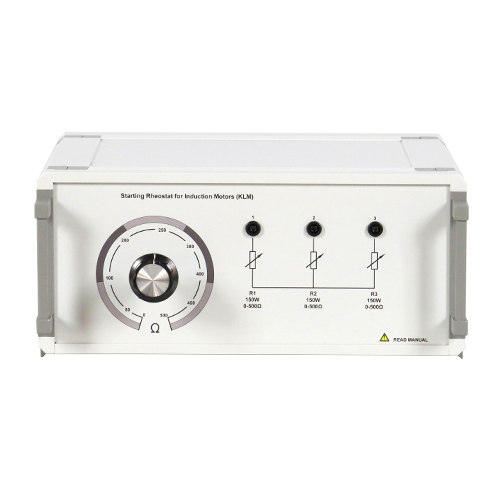
In the world of industrial motor drives, three-phase wound-rotor asynchronous motors are renowned for their high starting torque and speed adjustability. However, their "temperamental" nature—the enormous starting current—has always been a challenge that engineers must carefully manage. Poorly controlled starting current can not only impact the power grid but also shorten the motor's lifespan. Today, we'll delve into a powerful tool for addressing this challenge—the MR588E wound-rotor motor starting rheostat (KLM)—to see how it achieves smooth and safe starting.
1.Facing the Challenge:
The Starting Dilemma of Wound-Rotor Motors At the moment of starting, the rotor of a three-phase wound-rotor asynchronous motor is stationary, and the rotor frequency equals the power grid frequency, resulting in maximum rotor circuit inductive reactance. The starting current can reach 5-8 times the rated current. This current surge not only puts immense pressure on the power grid but also subjects the motor windings to enormous thermal and mechanical stresses. Over time, this inevitably leads to a significant reduction in the motor's lifespan.
The solution is clear: insert a variable resistor in series in the rotor circuit. The resistance is high at startup, limiting the current; as the speed increases, the resistance gradually decreases until it is short-circuited and disconnected during normal operation. Traditional methods use tiered switching of metal resistors, but this makes the startup process resemble climbing stairs, with the impact still present, and the auxiliary equipment (slip rings, brushes, contactors) is complex and has high maintenance costs.
The emergence of frequency-sensitive rheostats like the MR588E solves this problem in a more elegant way.
2. Working Principle: Using the Magic Wand of "Frequency"
The core technology of the MR588E is frequency-sensitive rheostat technology. Essentially, it is a three-phase reactor with high iron losses. Its remarkable feature is that its impedance value automatically and smoothly changes with the frequency of the current flowing through it.
At startup, high impedance current limiting: the motor speed is zero, and the rotor current frequency is at its highest (equal to the power frequency of 50Hz). At this time, the MR588E's impedance value is at its maximum, effectively limiting the starting current while providing the motor with a sufficiently large starting torque.
Acceleration Process, Smooth Impedance Reduction: As the motor speed increases, the rotor current frequency decreases. The impedance of the MR588E also automatically decreases, achieving smooth stepless speed change starting, avoiding current surges and making the starting process silky smooth.
Operating State, Near-Zero Impedance: When the motor approaches its rated speed, the rotor frequency approaches 0, and the impedance of the MR588E also drops to near zero. At this point, short-circuiting it from the circuit via a contactor disconnects the motor, and the motor enters normal operating mode.
3. Product Highlights: Not Just Performance, But Also Details
Having understood the principle, let's look at the specific outstanding features of the MR588E:
Excellent Electrical Safety and Protection Design: The product's electrical safety performance, protection design, and grounding reliability have been rigorously considered to ensure safe operation in complex industrial environments.
Elegant and Simple Structure: The structural design is a major highlight of the product, balancing aesthetics and practicality. The simple structure also means higher reliability and easier maintenance.
Rugged and Durable Materials: Constructed from corrosion-resistant, high-strength materials, it maintains robust durability even under harsh operating conditions, significantly extending its lifespan and reducing total cost of ownership.
Furthermore, it boasts strong adaptability, operating stably in ambient temperatures ranging from -10℃ to +40℃ and humidity levels below 85%. Its compact size (390mm × 390mm × 170mm) and lightweight design (<5kg) make installation in distribution cabinets extremely convenient.
4. Teaching and Practice: Beyond Industrial Applications
It's worth mentioning that, in addition to industrial applications, the MR588E product is also designed for educational experiments. It provides an intuitive experimental platform, allowing students and engineers to operate and observe firsthand how the starting rheostat controls the starting process of a wound-rotor motor step by step, gaining a deep understanding of the core logic of motor control from theory to practice.
5.Conclusion
The MR588E wound-rotor motor starting rheostat, with its automatic and smooth starting characteristics based on frequency-sensitive rheostat technology, solves the pain points of traditional starting methods, such as large current surges, complex equipment, and difficult maintenance. Its robust and durable design and excellent electrical performance provide reliable assurance for the starting of three-phase wound-rotor asynchronous motors. Whether for industrial applications or teaching and research, it is a product worthy of in-depth understanding and use.
1.Facing the Challenge:
The Starting Dilemma of Wound-Rotor Motors At the moment of starting, the rotor of a three-phase wound-rotor asynchronous motor is stationary, and the rotor frequency equals the power grid frequency, resulting in maximum rotor circuit inductive reactance. The starting current can reach 5-8 times the rated current. This current surge not only puts immense pressure on the power grid but also subjects the motor windings to enormous thermal and mechanical stresses. Over time, this inevitably leads to a significant reduction in the motor's lifespan.
The solution is clear: insert a variable resistor in series in the rotor circuit. The resistance is high at startup, limiting the current; as the speed increases, the resistance gradually decreases until it is short-circuited and disconnected during normal operation. Traditional methods use tiered switching of metal resistors, but this makes the startup process resemble climbing stairs, with the impact still present, and the auxiliary equipment (slip rings, brushes, contactors) is complex and has high maintenance costs.
The emergence of frequency-sensitive rheostats like the MR588E solves this problem in a more elegant way.
2. Working Principle: Using the Magic Wand of "Frequency"
The core technology of the MR588E is frequency-sensitive rheostat technology. Essentially, it is a three-phase reactor with high iron losses. Its remarkable feature is that its impedance value automatically and smoothly changes with the frequency of the current flowing through it.
At startup, high impedance current limiting: the motor speed is zero, and the rotor current frequency is at its highest (equal to the power frequency of 50Hz). At this time, the MR588E's impedance value is at its maximum, effectively limiting the starting current while providing the motor with a sufficiently large starting torque.
Acceleration Process, Smooth Impedance Reduction: As the motor speed increases, the rotor current frequency decreases. The impedance of the MR588E also automatically decreases, achieving smooth stepless speed change starting, avoiding current surges and making the starting process silky smooth.
Operating State, Near-Zero Impedance: When the motor approaches its rated speed, the rotor frequency approaches 0, and the impedance of the MR588E also drops to near zero. At this point, short-circuiting it from the circuit via a contactor disconnects the motor, and the motor enters normal operating mode.
3. Product Highlights: Not Just Performance, But Also Details
Having understood the principle, let's look at the specific outstanding features of the MR588E:
Excellent Electrical Safety and Protection Design: The product's electrical safety performance, protection design, and grounding reliability have been rigorously considered to ensure safe operation in complex industrial environments.
Elegant and Simple Structure: The structural design is a major highlight of the product, balancing aesthetics and practicality. The simple structure also means higher reliability and easier maintenance.
Rugged and Durable Materials: Constructed from corrosion-resistant, high-strength materials, it maintains robust durability even under harsh operating conditions, significantly extending its lifespan and reducing total cost of ownership.
Furthermore, it boasts strong adaptability, operating stably in ambient temperatures ranging from -10℃ to +40℃ and humidity levels below 85%. Its compact size (390mm × 390mm × 170mm) and lightweight design (<5kg) make installation in distribution cabinets extremely convenient.
4. Teaching and Practice: Beyond Industrial Applications
It's worth mentioning that, in addition to industrial applications, the MR588E product is also designed for educational experiments. It provides an intuitive experimental platform, allowing students and engineers to operate and observe firsthand how the starting rheostat controls the starting process of a wound-rotor motor step by step, gaining a deep understanding of the core logic of motor control from theory to practice.
5.Conclusion
The MR588E wound-rotor motor starting rheostat, with its automatic and smooth starting characteristics based on frequency-sensitive rheostat technology, solves the pain points of traditional starting methods, such as large current surges, complex equipment, and difficult maintenance. Its robust and durable design and excellent electrical performance provide reliable assurance for the starting of three-phase wound-rotor asynchronous motors. Whether for industrial applications or teaching and research, it is a product worthy of in-depth understanding and use.
Leave a Reply
Your email address will not be published.Required fields are marked. *